

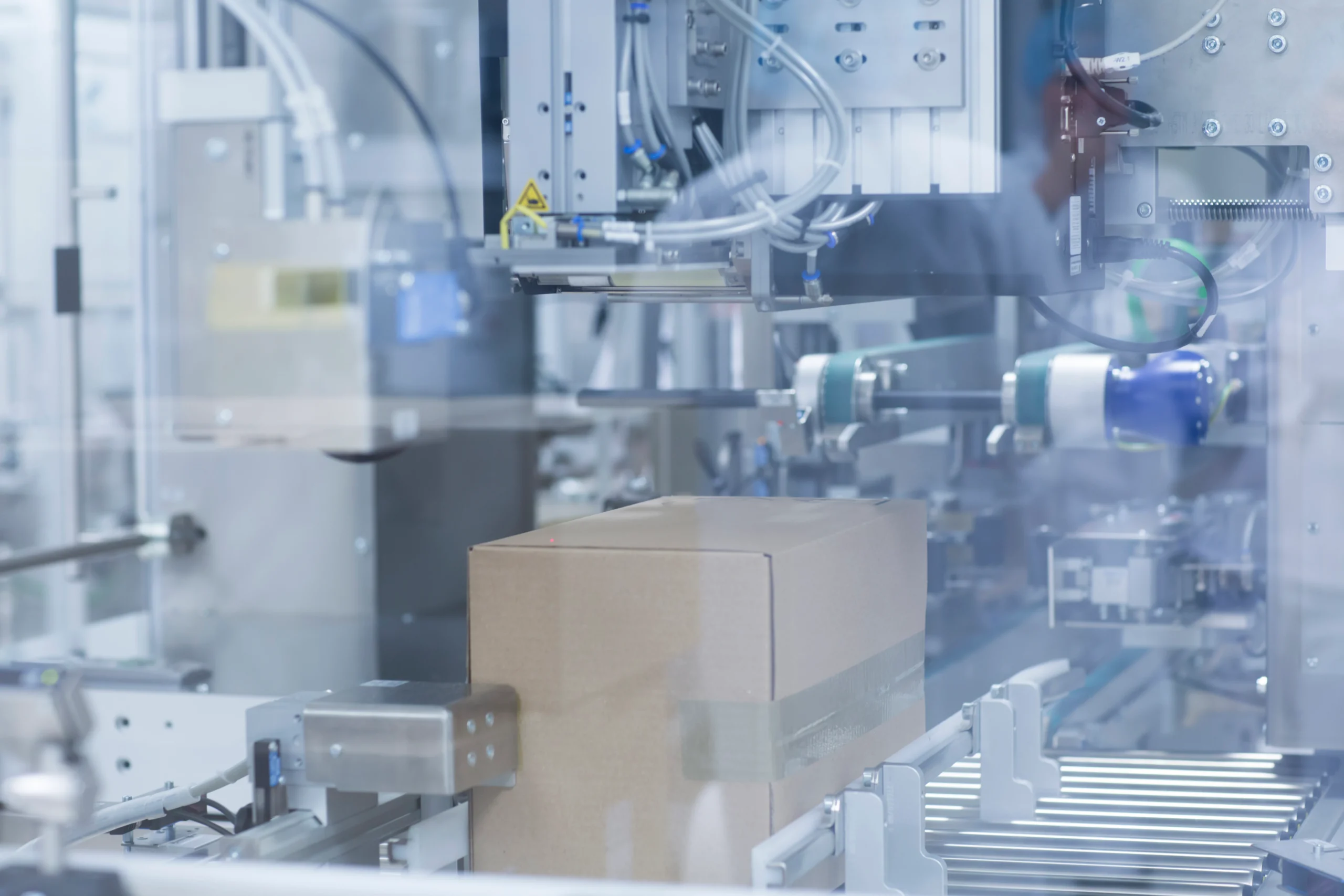
Automatic Cartoning Packaging – Machinery: Engineering Precision for High-Performance Packaging Lines
Secondary packaging technology has developed to play a vital role as an efficiency driver in modern production lines. With the increasing demands for higher productivity, uniformity, and reduced human intervention in the production processes, Automatic cartoning packaging/machinery has developed to play a central role in all packaging initiatives in industry.
At Anasia Industrial Solutions, cartoning systems are approached as integrated mechanical platforms that directly influence line efficiency, product protection, and operational scalability. Selecting the right Automatic cartoning packaging/machinery is therefore an engineering decision, not simply a procurement one.
The Technical Role of Automatic Cartoning in Packaging Lines
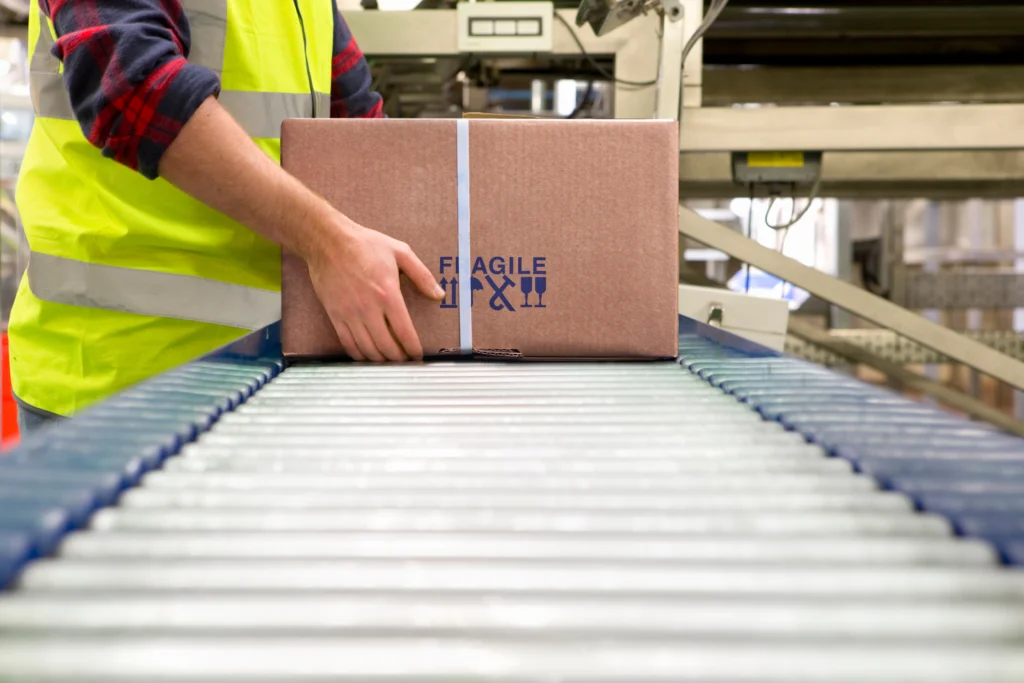
Cartoning machines perform three fundamental operations: carton forming, product insertion, and carton closing. In automated environments, these actions must occur with high positional accuracy, synchronized motion, and minimal tolerance deviation.
Modern Automatic cartoning packaging/machinery is designed to operate continuously within upstream and downstream equipment, including primary packaging machines, robotic pick-and-place systems, and end-of-line case packing. Any inconsistency in cartoning performance can propagate across the entire line, resulting in reduced output or product rejection.
For this reason, Anasia emphasizes cartoning systems that combine mechanical robustness with precise motion control.
Machine Architecture and Motion Types
One of the defining technical aspects of Automatic cartoning packaging/machinery is motion architecture. Different applications demand different motion profiles, which directly affect speed, flexibility, and mechanical stress.
Intermittent Motion Cartoning
Intermittent machines operate in indexed cycles where forming, loading, and closing occur in discrete steps. This enables it to handle sensitive or non-standard packs accurately. For lower to medium-speed production lines, intermittent Automatic cartoning packaging/machinery is highly controllable and repetitive.
Continuous Motion Cartoning
Continuous motion systems ensure continuous motion of cartons through the machine. These machines are designed for high-speed manufacturing where smooth acceleration and deceleration are involved. In high-speed applications, continuous Automatic cartoning packaging/machinery ensures better performance.
Hybrid and Modular Solutions
As In the latest designs, intermittent and continuous motion sections are combined to create a balanced mix of speed and flexibility. Anasia frequently evaluates these hybrid configurations when recommending Automatic cartoning packaging/machinery for variable product portfolios.
Product Handling and Loading Technologies
Product loading is one of the most technically sensitive stages in cartoning. Poor loading accuracy leads to carton damage, misalignment, or product deformation.
Modern Automatic cartoning packaging/machinery incorporates:
– Mechanical pushers for rigid products
– Pick-and-place robotic systems for complex or unstable items
– Vertical and horizontal loading options depending on product geometry
Anasia works closely with manufacturers to ensure that Automatic cartoning packaging/machinery aligns with the physical characteristics of the product, including weight distribution, surface friction, and dimensional tolerance.
Carton Formats and Closure Systems
Carton style flexibility is a critical requirement in today’s markets. Automatic cartoning packaging/machinery must support multiple carton formats without excessive changeover time.
Common carton handling capabilities include:
– Pre-glued side-loading carton
– Top-loading cartons for grouped products
– Wrap-around cartons for tray-based packaging
Closure technologies typically include tuck-in flaps or hot-melt glue systems. Anasia evaluates closure selection based on carton material, downstream logistics, and required sealing strength when specifying Automatic cartoning packaging/machinery.
Engineering Considerations for Line Integration
Cartoning machines rarely operate in isolation. Their performance is tied directly to upstream and downstream equipment.
– Line speed synchronization
– Product accumulation and buffering requirements
– Control system communication (PLC and HMI integration)
– Maintenance access and footprint constraints
When implementing Automatic cartoning packaging/machinery, Anasia assesses:
A technically optimized cartoning system minimizes stop-start behavior and allows stable operation across varying production rates.
Reliability, Maintenance, and Lifecycle Performance
High-speed cartoning subjects mechanical components to continuous dynamic loading. Bearings, cams, guides, and drive systems must be engineered for long service life.
Anasia Industrial Solutions prioritizes Automatic cartoning packaging/machinery that demonstrates:
– Proven mechanical durability
– Predictable wear patterns
– Accessible maintenance points
– Availability of spare parts and service support
Lifecycle performance is a key metric, particularly in food, pharmaceutical, and consumer goods industries where downtime has immediate cost implications.
The Role of CAMA and GPI Technologies
Manufacturers such as CAMA Group and GPI Group represent advanced engineering approaches to Automatic cartoning packaging/machinery.
Their systems emphasize:
– Modular machine platforms
– High-precision motion control
– Flexible format handling
– Compatibility with robotic automation
Anasia Industrial Solutions apply these technologies to provide cartoning solutions that meet today’s production demands and support future growth.
COBOTS end of line automation
Collaborative robots are revolutionizing the concept of end-of-line automation by providing enhanced palletizing capabilities in the production floor itself. The Warsonco Cobot Palletizer aims to solve the limitations that exist between human labor and automation by providing enhanced efficiency, safety, and integration capabilities that are easily adaptable for any existing production process. The cobot palletizing machine provides efficiency for large loads and functions with a variety of patterns and real-time monitoring capabilities, providing applications for all scales of industry, including food and beverage, manufacturing, and pharmaceutical applications. The efficiency and reduced operation cost that the cobot palletizing machine provides can increase palletizing efficiency and help attain quicker returns for organizations.
Anasia’s Application-Driven Approach
Instead of providing normative solutions to these challenges, Anasia Industrial Solutions provides a process-oriented approach when specifying Automatic cartoning packaging/machinery solutions. The production rates, product variation, processing environment, and expansions required are considered before identifying a piece of appropriate machinery.
This makes sure that the Automatic cartoning packaging/machinery supplied by means of Anasia is perfectly integrated into the customer’s manufacturing system, performing well consistently over time.
Conclusion
As packaging lines become faster, more flexible, and more automated, the technical demands placed on cartoning systems continue to increase. Automatic cartoning packaging/machinery now plays a decisive role in determining line efficiency, product quality, and operational resilience.
Through careful engineering evaluation and partnerships with leading machine manufacturers, Anasia Industrial Solutions delivers Automatic cartoning packaging/machinery designed for precision, reliability, and long-term value. In modern manufacturing environments, effective cartoning is not just about closing boxes—it is about engineering performance into every cycle.
Comments are closed