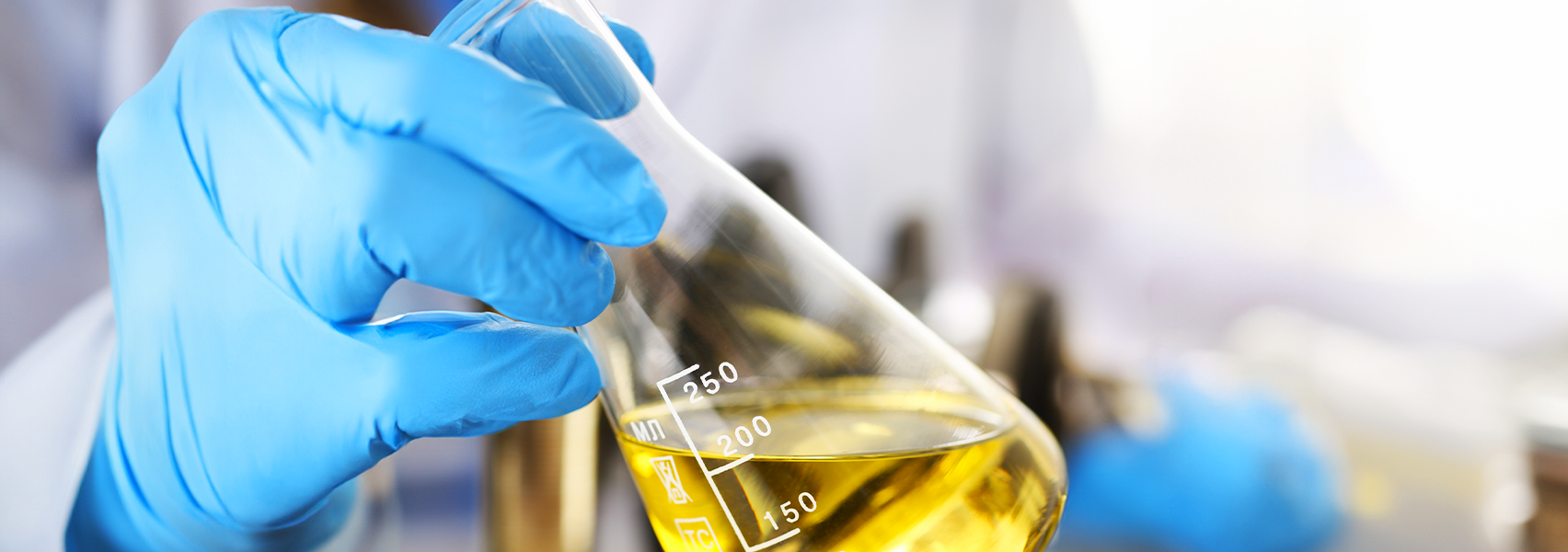
Chemical manufacturing is the backbone of countless industries, transforming raw materials into the essential products that define our modern world. From pharmaceuticals and plastics to fertilizers and fuels, these processes are complex, highly controlled, and vital to global supply chains.
At its core, chemical manufacturing involves a series of unit operations and processes designed to cause physical or chemical changes in substances. The goal is to produce a desired product efficiently, safely, and at scale, while maintaining consistent quality and purity.
Key Stages in Chemical Manufacturing
While specific processes vary widely, they generally follow a common pathway:
Feedstock Preparation & Handling: Raw materials (e.g., crude oil, minerals, natural gas) are sourced, stored, and prepared for reaction. This often involves purification, crushing, or mixing to meet specific input criteria.
Reaction: This is the heart of the process, where prepared feedstocks are subjected to controlled conditions (like heat, pressure, and catalysts) in reactors to trigger the desired chemical transformation. Common reactions include polymerization, oxidation, and neutralization.
Separation & Purification: The output from the reactor (the “reaction mass”) is often a mixture of the desired product, by-products, unreacted materials, and solvents. Unit operations like distillation, filtration, crystallization, and extraction are used to isolate and purify the final product.
Product Formulation & Finishing: The purified chemical may be blended with additives, concentrated, or converted into a final marketable form. This can include drying into a powder, prilling into pellets, or compounding into a specific grade.
Packaging & Storage: The final product is packaged in a way that ensures stability and safety—whether in drums, bags, totes, or tanks—before being shipped to customers.
The Role of Advanced Equipment in Chemical Processing
The efficiency and safety of these stages rely heavily on robust and precise equipment. Key machinery includes:
Reactors: (Batch, Continuous Stirred-Tank, Plug Flow) where chemical reactions are carried out under controlled conditions.
Distillation Columns: For separating mixtures based on differences in their boiling points.
Heat Exchangers: For heating or cooling process streams efficiently.
Filters & Centrifuges: For separating solids from liquids.
Dryers & Evaporators: For removing solvents or water to concentrate a product.
Pumps & Piping Systems: For transporting materials throughout the plant.
Anasia’s Contribution to Chemical Manufacturing
Anasia supports the chemical industry by providing critical equipment that ensures operational integrity and product quality. Our relevant solutions include:
Industrial Scales & Weigh Modules: For precise batching of raw materials, which is crucial for recipe accuracy and safety.
Mixing & Grinding Equipment: For the preparation of feedstocks and the formulation of final products.
Product Inspection Systems: Including Metal Detectors and X-Ray Systems to protect equipment from damage and ensure product purity by detecting contaminants.
Packaging & Coding Solutions: Such as Filling Equipment for accurate container filling, Palletizing Systems for efficient handling, and Laser Coders for applying permanent, chemical-resistant batch codes and expiration dates directly onto packaging.
Conclusion
Chemical manufacturing is a sophisticated, multi-stage endeavor that converts basic raw materials into valuable, life-enhancing products. By understanding these fundamental processes and leveraging reliable equipment for weighing, mixing, inspection, and packaging, companies can achieve the high levels of efficiency, safety, and quality that the market demands.
Partner with Anasia to equip your chemical manufacturing operations with the robust and precise solutions needed to excel in a competitive global landscape.
Current vacancy: