

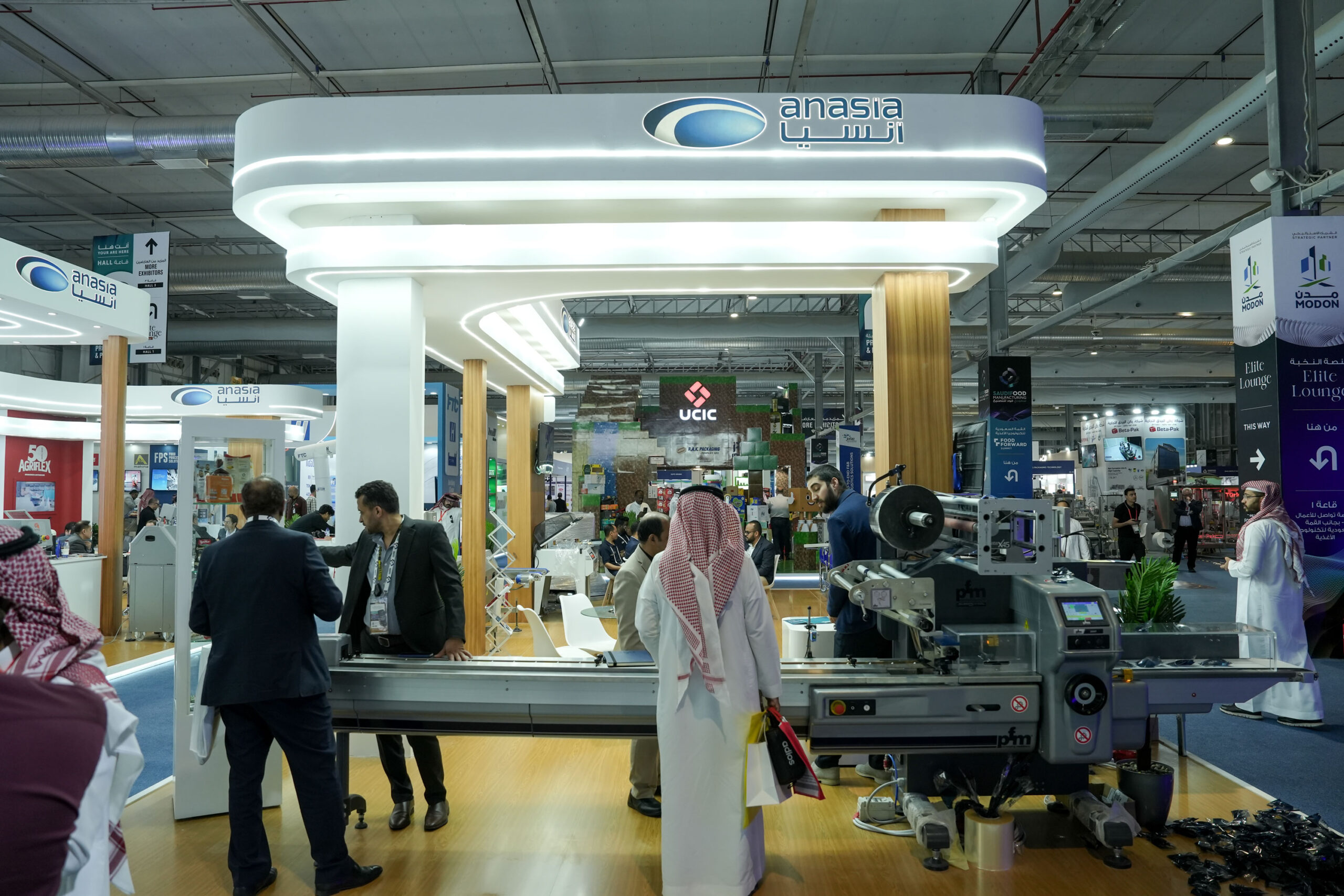
Saudi Food 2025
Saudi Food: Tradition and Technology Merge in Food Processing
Saudi Arabia’s food tradition is a tapestry of rich ingredients and flavors passed down through generations. Yet, as modernization takes deeper root in the Kingdom, the food industry is undergoing a quiet but powerful revolution. No longer centered only on preserving spices and dates, today’s food processing sector is a fast-paced, high-tech arena — redefining lifestyles and aligning with the country’s bold ambitions.
From Farm to Factory: The Heart of the Industry
The sector builds on Saudi Arabia’s traditional staples. Dates, a symbol of the region, are now processed into paste, syrups, ready-to-consume snacks, and confectionery, making them versatile products in both domestic and export markets. Similarly, dairy products have become an industry cornerstone. Giants like Almarai and NADEC use cutting-edge technologies to produce milk, yogurt, cheese, and juices at scale, ensuring that daily consumer needs are met efficiently and safely.
A Taste of Modernity: Trends and Growth
Urban centers like Riyadh and Jeddah are fueling exponential growth in processed food demand, driven by the search for convenience, health, and variety. Key categories leading this surge include:
- Frozen & Prepared Foods: From pastries and samosas to frozen meat and seafood, quick meals are reshaping family dining habits.
- Beverages: Traditional juices and soft drinks are joined by health-oriented alternatives like herbal teas and plant-based milks.
- Snacks & Confectionery: Potato chips, energy bars, and functional snacks cater to busy consumers seeking strong flavors and portable nutrition.
This growth reflects not only consumer demand but also Saudi Arabia’s evolving business environment, which is becoming increasingly attractive to both local entrepreneurs and international players.
Driving Innovation: The Role of Vision 2030
At the heart of this transformation is Vision 2030, the Kingdom’s ambitious roadmap for economic diversification and food security. Strategic investments are fueling the food processing sector with advanced technologies such as:
- Automation & Robotics to scale up production and ensure consistency.
- Smart Systems for quality assurance and food safety.
- Sustainability Initiatives that support farmers, reduce imports, and strengthen local supply chains.
These efforts are not only meeting domestic demand but also positioning Saudi Arabia as a regional leader in food exports, balancing volume, quality, and sustainability.
The Road Ahead
The future of Saudi food processing is a fusion of heritage and innovation. From tackling water scarcity with vertical farming to extending shelf life with advanced packaging, the industry is adapting to global and local challenges alike. Consumer trends point toward greater demand for organic, plant-based, and functional foods, all produced and packaged to international standards.
The journey of a single date from palm tree to packaged snack is a powerful metaphor for this transformation. It underscores how food processing in Saudi Arabia is more than just an industry; it is an integral part of the Kingdom’s strategic planning for a sustainable and delicious future.
Comments are closed